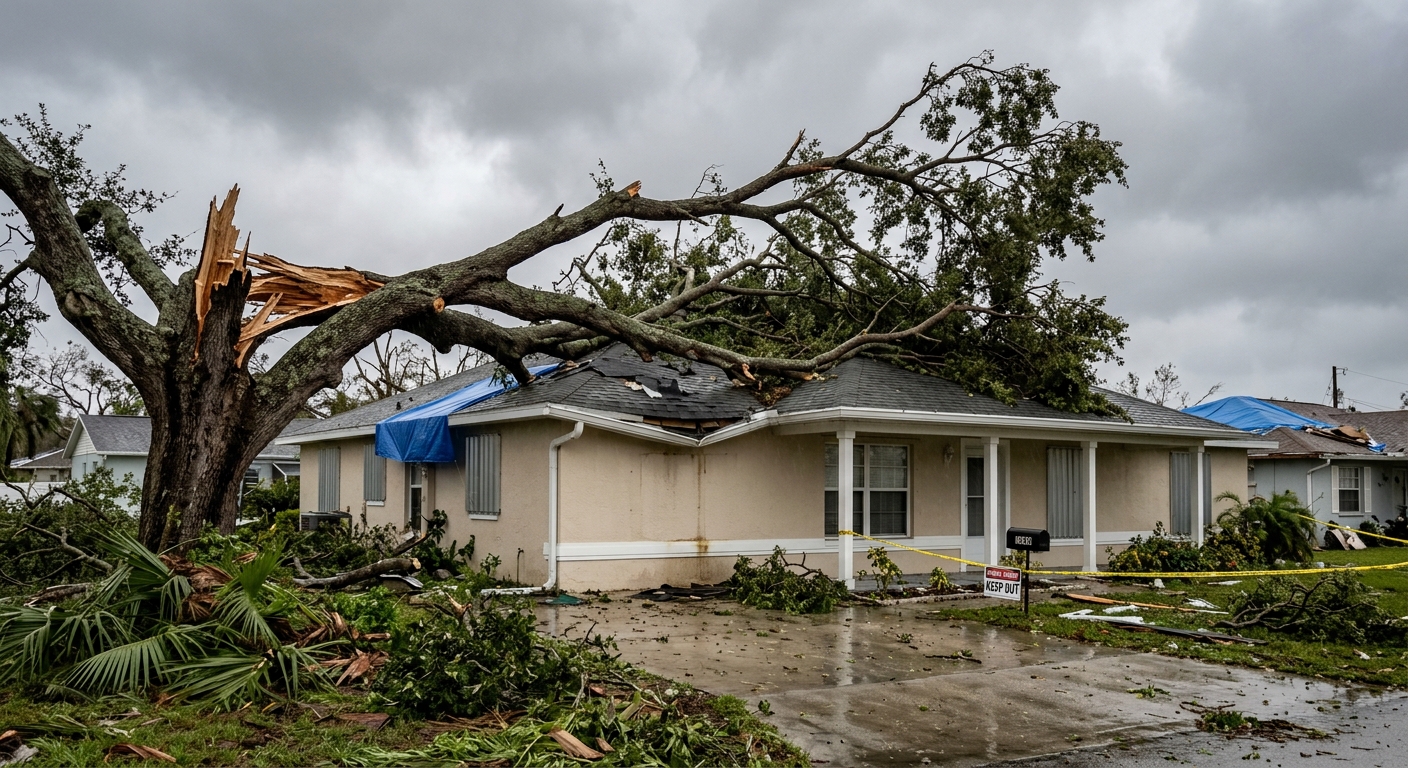
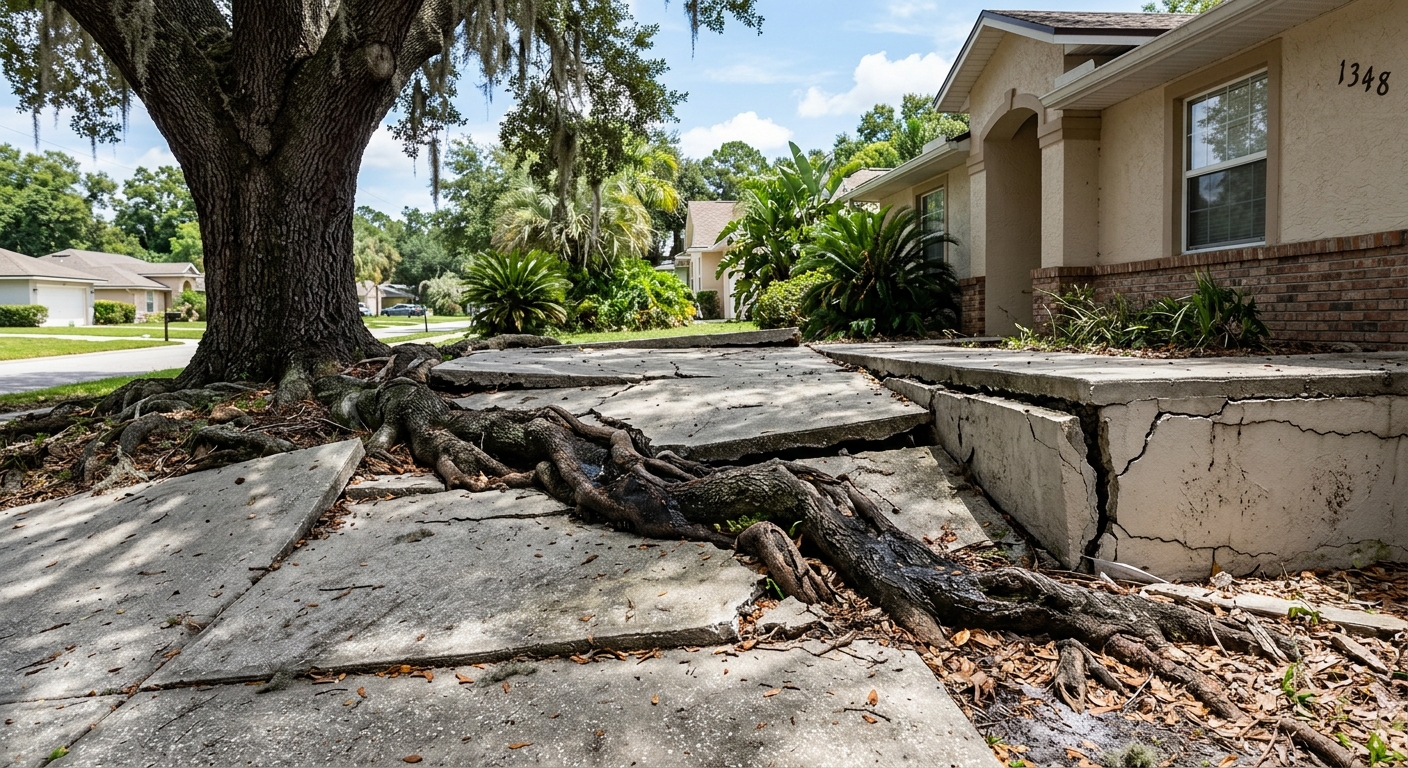
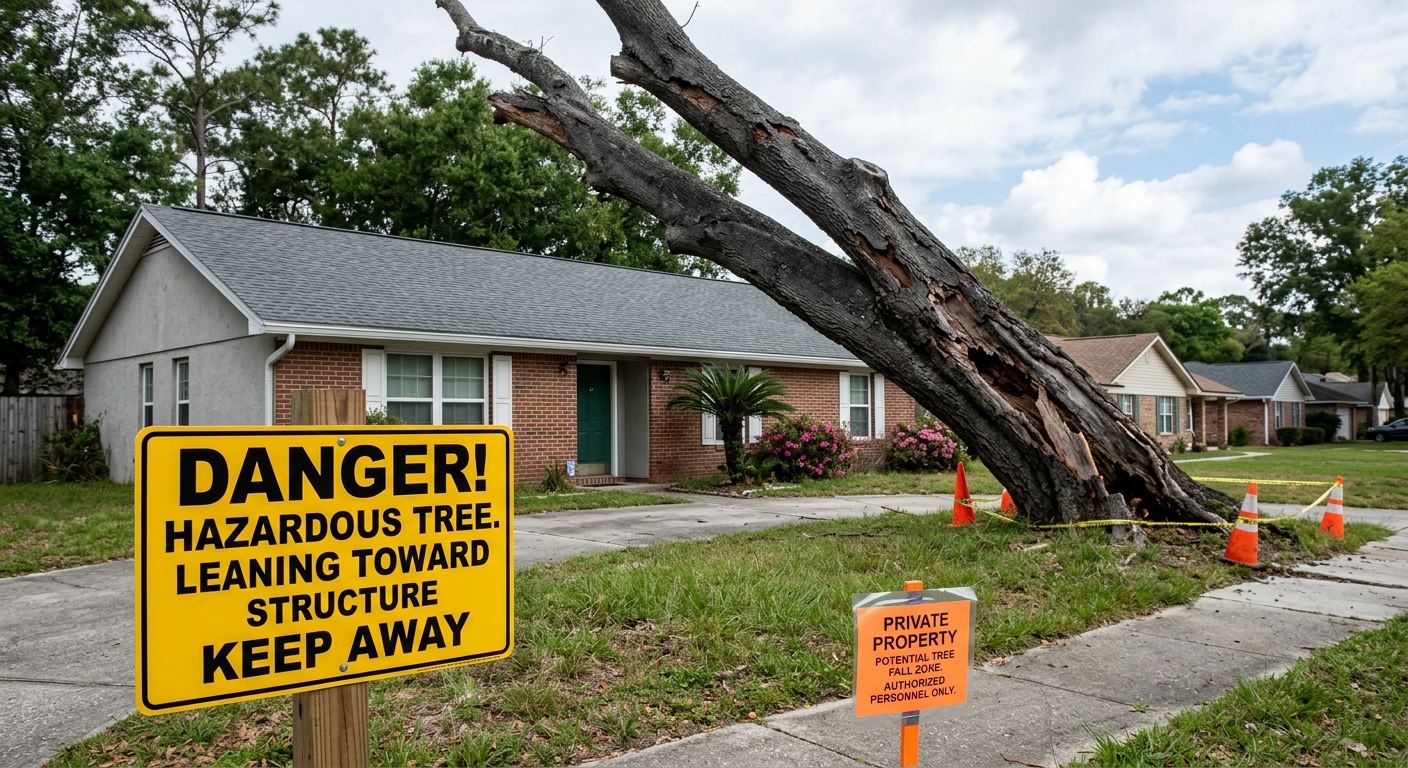
When to call tree service Jacksonville depends on recognizing critical warning signs that separate safe DIY tasks from dangerous situations requiring certified arborists. If you're facing storm damage, leaning trees threatening your property, or large branches hanging over your roof, you need professional assessment immediately. Jacksonville homeowners deal with unique challenges—hurricane-force winds, brittle laurel oaks, and oak wilt disease—that make professional tree service not just convenient, but essential for protecting your home and family. Our team serves Jacksonville, Riverside, San Marco, and the wider Duval County area with fast response times and certified expertise in local tree species.
Emergency Situations Requiring Immediate Tree Service in Jacksonville
Emergency situations requiring immediate tree service in Jacksonville include any scenario where trees pose active threats to people, structures, or utilities. These conditions demand same-day professional response because delaying increases property damage costs and personal injury risk. The average insurance deductible for tree-related property damage runs $2,500, while preventive emergency removal typically costs $600-$1,200—making immediate professional intervention the financially smart choice.
Storm Damage and Fallen Trees Threatening Your Home
Storm damage and fallen trees create immediate hazards requiring professional tree service within hours, not days. Jacksonville experiences tropical storm or hurricane activity an average of 1.3 times per year, and fallen trees often have compromised structural integrity that makes them unstable even after the storm passes. A partially fallen tree leaning against your roof continues to shift with wind, causing progressive damage to shingles, gutters, and structural framing. Professional arborists use crane systems and rigging techniques to safely dismantle storm-damaged trees without causing additional property damage. Our emergency response team arrives with proper equipment to stabilize dangerous trees and prevent further harm to your Jacksonville home. Trees that appear stable may have hidden root damage or internal fractures that cause delayed collapse—professional assessment identifies these invisible risks before disaster strikes.
- Immediate stabilization of partially fallen trees prevents progressive structural damage
- Professional rigging systems remove debris without damaging landscaping or adjacent structures
- 24-hour emergency response minimizes exposure to liability if trees threaten neighboring properties
- Documentation of storm damage supports insurance claims with detailed damage assessment
- Crane-assisted removal handles trees too large or unstable for traditional cutting methods
Don't wait for a compromised tree to cause more damage—call (904) 634-3474 now for immediate storm damage assessment in Jacksonville and surrounding areas.
Leaning Trees and Structural Hazards
Leaning trees signal root system failure or soil instability that worsens with each passing day. A tree leaning more than 15 degrees from vertical indicates active structural failure—the root plate is separating from soil, and complete collapse could occur with the next strong wind or heavy rain. Jacksonville's sandy soil conditions and seasonal flooding create ideal conditions for sudden root failure, especially in mature trees with shallow root systems. Professional arborists assess lean angle, root exposure, and soil conditions to determine if stabilization is possible or if immediate removal is necessary. Trees leaning toward structures, power lines, or high-traffic areas require emergency intervention because the consequences of failure involve property damage, utility outages, or personal injury. Soil heaving around the tree base—where roots are lifting soil on the opposite side of the lean—confirms active root failure requiring same-day professional response.
- Lean angles exceeding 15 degrees indicate imminent failure risk requiring emergency removal
- Root plate inspection reveals whether stabilization or removal is the safer option
- Trees leaning toward structures need immediate assessment to prevent catastrophic property damage
- Professional removal prevents domino damage to fences, vehicles, or neighboring properties
Branches Hanging Over Your Roof or Power Lines
Branches hanging over your roof accelerate shingle deterioration, clog gutters with debris, and create entry points for moisture and pests into your attic. More critically, heavy branches over structures pose crushing hazards during storms when wind load or ice accumulation causes sudden failure. Professional tree service includes strategic crown thinning that removes hazardous overhangs while preserving tree health and canopy shape. Branches within 10 feet of power lines require utility-approved contractors because Florida law prohibits homeowner work near electrical infrastructure—violations carry fines exceeding $500 plus liability for power outages or electrocution incidents. Our licensed team coordinates with JEA (Jacksonville's utility provider) to ensure compliant clearance work that protects your property and maintains electrical service reliability. Branches scraping against roofing materials during wind events act like sandpaper, wearing through protective layers and creating leak points that lead to thousands in interior water damage.
- Power line clearance work requires utility coordination and specialized safety protocols
- Roof-overhanging branches should maintain 6-10 feet minimum clearance to prevent damage
- Strategic pruning removes hazards while maintaining tree structural integrity and aesthetics
- Professional assessment identifies which branches pose immediate risk versus long-term concern
- Proper cutting techniques prevent tear-out damage that creates entry points for disease and decay
Safety Hazards That Need Professional Assessment
Safety hazards that need professional assessment include visible and hidden conditions that compromise tree structural integrity. These situations don't always present immediate emergency scenarios, but they create escalating risk that leads to property damage or personal injury if ignored. Professional arborists use specialized diagnostic tools and training to identify decay, disease, and structural weaknesses invisible to untrained observers. Scheduling professional assessment within one week of noticing these warning signs prevents emergency situations and allows for planned, cost-effective intervention rather than urgent, premium-priced emergency service.
Dead or Dying Trees and Disease Signs
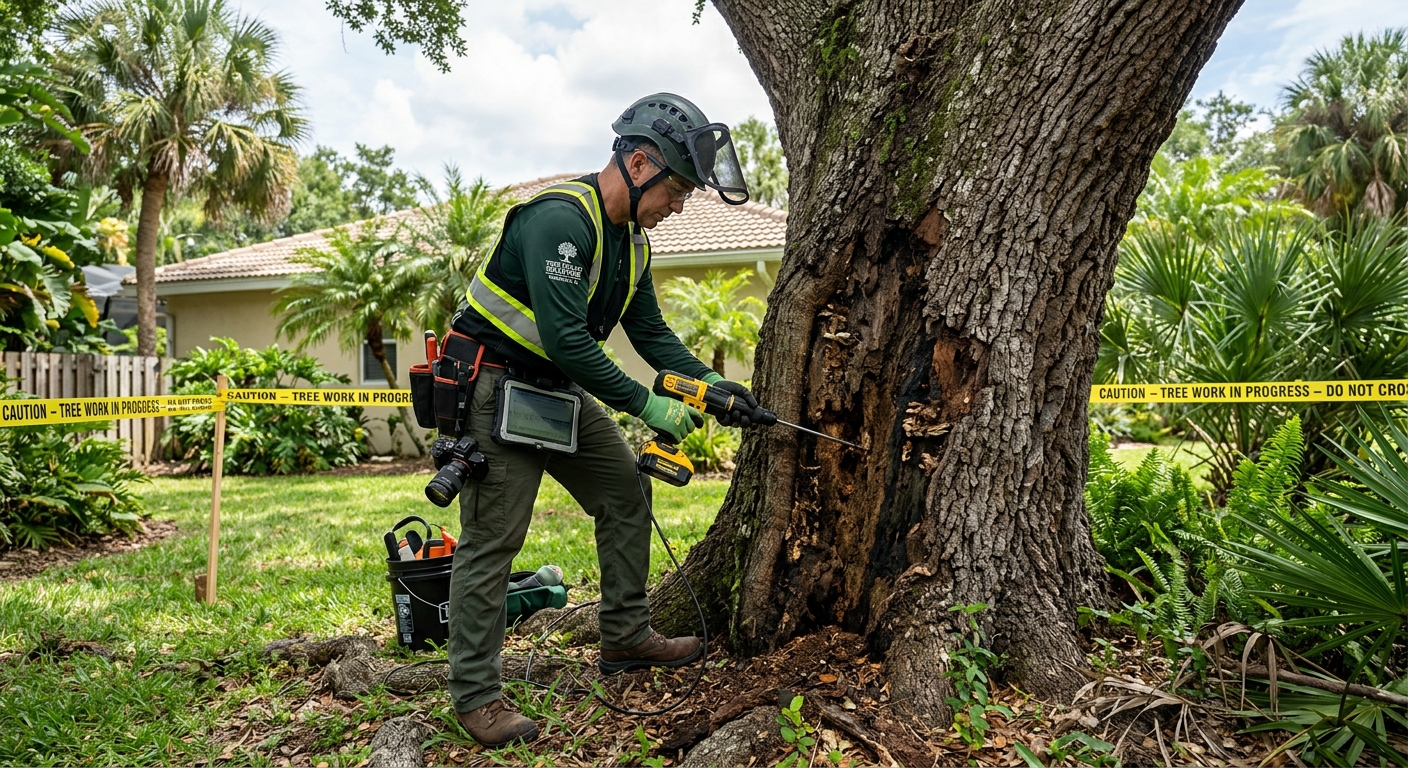
Dead or dying trees become brittle hazards that fail without warning, especially during Jacksonville's summer thunderstorm season when sudden wind gusts exceed 40 mph. A completely dead tree loses structural flexibility and shatters rather than bends under wind load, sending heavy branches crashing down unpredictably. Disease signs include fungal fruiting bodies (shelf fungi or conks) growing from the trunk, which indicate advanced internal decay—by the time these visible symptoms appear, the tree has often lost 50-70% of its internal structural wood. Oak wilt disease affects Jacksonville's abundant live oak and laurel oak populations, causing rapid die-off that requires professional diagnosis and treatment to prevent spread to neighboring trees. Professional assessment includes resistograph testing that measures internal wood density, revealing hollow sections or decay pockets invisible from the outside. Dead branches in the upper canopy—called "widow makers" by arborists—pose extreme danger because they drop without warning and gain lethal velocity falling from 30-50 foot heights.
- Fungal growth on trunks indicates internal decay requiring immediate professional evaluation
- Leaf discoloration outside normal seasonal patterns signals disease or root system failure
- Bare branches during growing season (April-September in Jacksonville) indicate dead wood
- Bark cracks or splits expose interior wood to moisture and pest invasion
- Premature leaf drop or undersized foliage suggests root damage or vascular disease
Contact our certified arborists at (904) 634-3474 for disease diagnosis and treatment plans specific to Jacksonville tree species.
Root Damage Affecting Your Foundation
Root damage affecting your foundation occurs when tree roots infiltrate foundation cracks, sewer lines, or create soil displacement that destabilizes structural footings. Large trees within 20 feet of structures can exert root pressure exceeding 300 pounds per square inch—enough to widen existing foundation cracks or lift concrete slabs. Professional root barrier installation or strategic root pruning prevents foundation damage while maintaining tree health, but improper DIY root cutting often kills trees or creates instability that causes them to topple. Trees planted too close to structures during construction eventually require difficult decisions between tree preservation and foundation protection—professional arborists provide options analysis including crown reduction to decrease root demand, root pruning with specialized equipment, or phased removal to prevent sudden soil settlement. Jacksonville's sandy soil and high water table mean roots spread laterally rather than deeply, increasing the likelihood of foundation and utility line conflicts that require professional intervention.
- Trees within 15 feet of foundations should receive professional root assessment every 3-5 years
- Root barrier installation prevents future conflicts while preserving existing trees
- Professional root pruning uses proper techniques that prevent tree destabilization
- Sewer line camera inspection identifies root intrusion before complete blockage occurs
Trees Growing Too Close to Structures
Trees growing too close to structures create multiple hazard vectors—branch impact damage during storms, foundation conflicts, moisture retention against siding that accelerates rot, and pest highways giving rodents and insects direct access to your home. Mature trees with canopies touching or overhanging structures transfer moisture to roofing and siding materials, creating ideal conditions for mold growth and wood decay. Professional assessment determines whether crown raising, selective limb removal, or complete tree removal provides the best balance between preserving landscape value and protecting property. Trees closer than one canopy-width from structures (typically 15-25 feet for mature specimens) require ongoing professional maintenance to manage growth and prevent contact damage. Our Jacksonville team evaluates species growth characteristics—fast-growing species like laurel oak and sweet gum require more aggressive intervention than slow-growing live oak—to create maintenance schedules that prevent rather than react to proximity problems.
- Minimum clearance of 6 feet between canopy and structure prevents most contact damage
- Professional pruning maintains clearance without creating unbalanced canopies that increase wind-throw risk
- Species-specific growth patterns determine appropriate planting distances for new landscape trees
- Moisture damage from tree proximity often manifests as interior mold and wood rot
- Regular professional maintenance costs less than emergency removal after storm damage occurs
Tree Maintenance Beyond DIY Capability
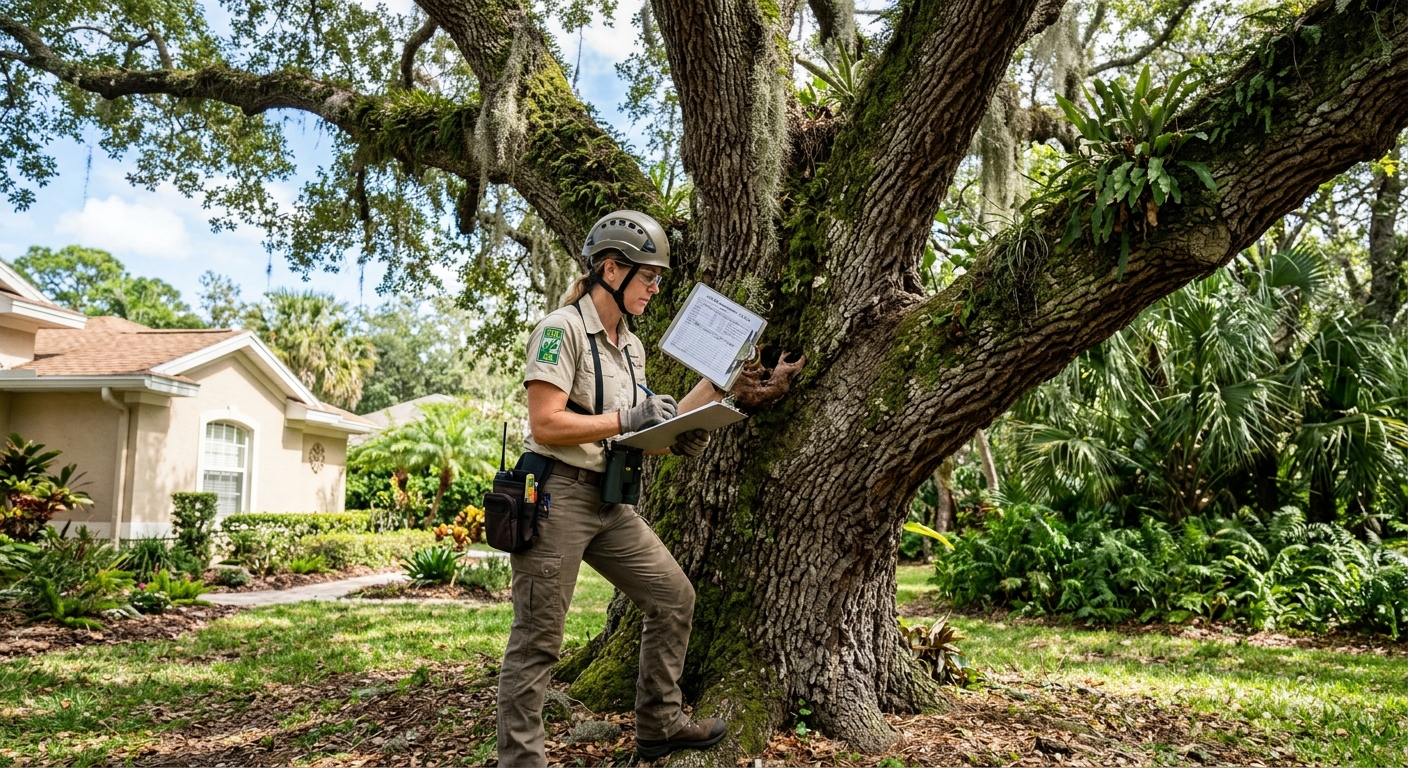
Tree maintenance beyond DIY capability involves size thresholds, equipment requirements, and technical skills that exceed homeowner tools and safety training. OSHA data shows 75% of tree-work fatalities involve falls from heights over 10 feet—the point where professional fall protection systems become mandatory. Attempting large tree work without proper equipment creates liability exposure, insurance coverage gaps, and severe injury risk that far exceeds the cost of hiring certified professionals. Professional tree service includes specialized equipment, trained crews, liability insurance, and proper disposal that eliminates the hidden costs and dangers of DIY attempts.
Large Tree Trimming Over 15 Feet
Large tree trimming over 15 feet requires bucket trucks, climbing gear, or aerial lifts that homeowners cannot safely operate without specialized training and certification. Working at heights exceeding 15 feet dramatically increases fall severity—injuries from these heights commonly include spinal damage, skull fractures, and fatal impacts. Professional arborists use fall-arrest harnesses, rope-positioning systems, and aerial platforms that meet ANSI Z133 safety standards designed specifically for tree work. Chainsaw operation at height requires one-handed cutting techniques and specialized equipment that prevents kickback injuries—attempting this without training leads to lacerations, amputations, and loss-of-control scenarios. Our Jacksonville crews carry $2 million liability coverage that protects your property if equipment fails or branches fall unexpectedly—homeowner insurance policies typically exclude coverage for self-inflicted tree work damage. Tree work above 15 feet also requires ground crew coordination to control falling debris and establish safety zones that keep bystanders clear of drop zones.
- Professional fall protection systems prevent the leading cause of tree-work fatalities
- Bucket truck access reaches heights safely that would require dangerous ladder work
- Trained crews coordinate cutting and rigging to control where heavy branches fall
- Liability insurance covers property damage that homeowner policies exclude
- Professional assessment identifies hazards like widow-maker branches and hidden decay
Schedule professional trimming for trees over 15 feet by calling (904) 634-3474—don't risk serious injury attempting dangerous height work yourself.
Crown Thinning and Professional Pruning
Crown thinning and professional pruning require understanding tree biology, proper cutting techniques, and species-specific growth patterns that determine which branches to remove and which to preserve. Improper pruning creates entry wounds for disease, unbalanced canopies that increase wind-throw risk, and disfigured growth that never fully recovers. Professional arborists follow ANSI A300 pruning standards that specify branch collar preservation, proper cut angles, and maximum canopy removal limits (typically 25% per season) that maintain tree health. Crown thinning reduces wind resistance while preserving structural integrity—critical for Jacksonville trees facing hurricane-force winds where dense canopies act like sails that topple entire trees. Strategic pruning also improves sunlight penetration and air circulation, reducing fungal disease pressure in Jacksonville's humid climate where stagnant air promotes oak wilt and other pathogen spread. Our certified team identifies co-dominant stems, included bark unions, and structural weaknesses that require corrective pruning before they develop into failure points.
- Proper pruning cuts preserve branch collar tissue that prevents decay intrusion
- Crown thinning reduces storm damage risk without compromising tree structural strength
- Species-specific timing prevents disease transmission during vulnerable growth periods
- Professional assessment identifies which branches to remove for optimal health and safety
- Balanced canopy maintenance prevents lopsided growth that creates tipping hazards
Removing Thick Branches Beyond 3 Inches
Removing thick branches beyond 3 inches diameter requires three-cut technique, proper rigging, and controlled lowering to prevent catastrophic bark stripping and property damage. Branches exceeding 3 inches create significant weight loads—a 10-foot branch section can weigh 150-300 pounds and gains tremendous momentum during uncontrolled falls. Professional rigging uses rope systems and mechanical advantage to lower heavy sections gently, protecting landscaping, structures, and ground crews. Improper cutting of large branches causes tear-out damage that strips bark down the trunk, creating massive wounds that never fully heal and serve as permanent disease entry points. The three-cut method—undercut, top cut, final collar cut—prevents tear-out by removing weight before making the final cut, but requires chainsaw skill and positioning that exceeds typical homeowner capability. Our Jacksonville team uses portable cranes for branches too large or awkwardly positioned for rope rigging alone, ensuring controlled removal even in tight spaces between structures.
- Three-cut technique prevents bark stripping that permanently damages tree health
- Rigging systems control heavy branch descent to prevent property damage
- Branches over 3 inches require cutting skills beyond basic chainsaw operation
- Professional equipment handles weight loads safely that would overwhelm DIY attempts
- Proper disposal eliminates the logistical challenge of hauling heavy wood sections
Legal and Insurance Reasons to Hire a Licensed Arborist
Legal and insurance reasons to hire a licensed arborist include regulatory compliance, liability protection, and documentation requirements that protect homeowners from fines, lawsuits, and coverage denials. Jacksonville's tree ordinances, HOA restrictions, and state regulations create legal frameworks that penalize non-compliant tree work. Professional arborists navigate permit requirements, utility coordination, and property line disputes while providing documentation that satisfies insurance companies and legal authorities. Hiring unlicensed workers or attempting DIY tree removal creates liability gaps that leave homeowners financially exposed when accidents occur or work violates local codes.
HOA Requirements and Property Line Disputes
HOA requirements often mandate professional tree service for removals, prohibit certain species, or require approval before any tree work proceeds. Violating HOA tree covenants results in fines, mandatory restoration costs, and legal disputes that far exceed the cost of proper professional compliance. Property line disputes over overhanging branches, root intrusion, or tree damage to neighboring properties require documented professional assessment to establish liability and appropriate remediation. Florida law allows neighbors to trim branches overhanging their property line but holds them liable for damage if improper cutting kills the tree—professional arborists provide neutral third-party documentation that protects both parties. Shared trees growing on property lines require neighbor consent for removal in most Jacksonville subdivisions, and professional arborists facilitate these discussions with technical assessments that clarify necessity and shared responsibility. Our team provides written estimates, photographic documentation, and species assessments that satisfy HOA architectural review boards and legal requirements in Riverside, Mandarin, and other Jacksonville neighborhoods with active covenant enforcement.
- Professional documentation satisfies HOA approval processes and reduces rejection rates
- Certified arborists provide neutral assessment in neighbor disputes over tree responsibility
- Written estimates and photographic records establish baseline conditions before work begins
-
Frequently Asked Questions
When should I call a professional tree service in Jacksonville?
Call a professional tree service in Jacksonville when you notice dead or dying branches, trees leaning toward structures, storm damage, or roots damaging your foundation or sidewalks. Contact professionals immediately if branches are touching power lines or if a tree shows signs of disease like discolored leaves, fungal growth, or bark peeling. Large tree removals and pruning near rooflines always require licensed professionals for safety and liability protection.
How quickly can tree service companies respond to emergencies in Jacksonville?
Most reputable tree service companies in Jacksonville offer 24/7 emergency response for storm damage and hazardous situations. Response times typically range from 1–4 hours for urgent cases like fallen trees blocking roads or threatening structures. Non-emergency services like routine pruning or removal are usually scheduled within 3–7 days. During hurricane season or after major storms, emergency response may take longer due to high demand across Jacksonville and surrounding areas.
Are tree service companies in Jacksonville licensed and insured?
Professional tree service companies operating in Jacksonville must carry liability insurance and workers' compensation coverage. Florida requires arborists to hold ISA certification or state licensing for commercial tree care. Always verify a company's insurance certificates and license numbers before hiring. Uninsured tree services put your property at risk—if a worker is injured or property damaged, you could be held liable. Reputable Jacksonville tree services provide proof of insurance upon request.
What are signs my tree needs immediate professional attention in Jacksonville?
Immediate warning signs include large cracks in the trunk, sudden leaning after storms, mushrooms growing at the tree base, hollow-sounding trunks when tapped, and branches falling without wind. In Jacksonville's climate, watch for extensive Spanish moss weight causing branch stress, lightning strike damage common during summer storms, and root exposure from coastal erosion. If more than 50 percent of branches are dead or damaged, the tree likely requires removal rather than treatment.
How much does emergency tree service cost in Jacksonville?
Emergency tree service in Jacksonville typically costs $500–$2,500 depending on tree size, location, and urgency. After-hours and weekend calls often include premium charges of 50–100 percent above standard rates. Storm damage removal where trees have fallen on structures ranges from $1,000–$5,000. Many Jacksonville tree services offer free emergency assessments to determine the scope and provide accurate quotes. Insurance may cover storm-related tree damage—check your homeowner's policy before paying out of pocket.
Can I remove a tree myself instead of calling a professional in Jacksonville?
Small trees under 15 feet with no nearby structures may be safe for DIY removal, but most situations in Jacksonville require professional tree service. Cutting near power lines, removing trees over 20 feet tall, or working on ladders with chainsaws creates serious injury and property damage risks. Florida has specific regulations about tree removal near property lines and protected species. Professionals carry specialized equipment like cranes and stump grinders that homeowners cannot safely operate. Liability issues alone justify hiring licensed experts.
Do Jacksonville tree services offer free estimates?
Most established tree service companies in Jacksonville provide free on-site estimates for tree removal, pruning, and stump grinding. Arborists will assess tree health, proximity to structures, access challenges, and project scope during the visit. Estimates typically arrive within 24–48 hours of the inspection. Emergency assessments for hazardous trees are often free even if you don't hire that company. Avoid companies demanding payment before providing detailed written estimates—reputable Jacksonville tree services never charge for quotes on standard projects.
What is the difference between tree trimming and tree pruning in Jacksonville?
Tree trimming in Jacksonville focuses on aesthetic shaping and controlling size by cutting overgrown branches for appearance and clearance from structures. Tree pruning is therapeutic—removing dead, diseased, or damaged branches to improve tree health and structure. Pruning follows ISA standards and considers Jacksonville's subtropical climate where oak wilt and storm damage are common. Professional arborists determine which branches to remove based on tree biology, not just appearance. Both services prevent hazards, but pruning prioritizes long-term tree health over cosmetic results.